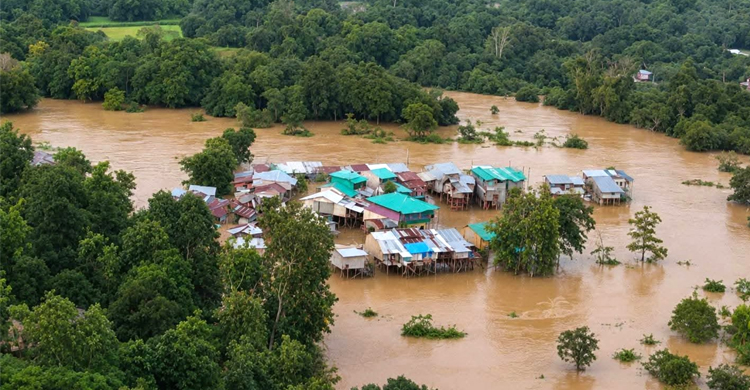
Md. Jahangir alam : The impacts of climate change are contributing to more frequent episodes of intense rainfall, flash floods, and unusually high river levels in many parts of the world. In riverine and low-lying countries such as Bangladesh, these floods have significant consequences for people`s lives, agriculture, infrastructure, and homes. Experts say that the statement, "Untimely floods are depriving millions of people of a place to call home," may accurately reflect the reality of some major disasters, although not every flood causes damage on the same scale. The extent of losses depends on the severity and duration of flooding, geographical conditions, and the level of preparedness.
Climate scientist Dr. Mahbubur Rahman explains, "As atmospheric temperatures rise, the air can hold more moisture. This increases the likelihood of intense rainfall over short periods, which in turn raises the risk of flash flooding." He adds that, alongside climate change, river management, land use practices, and urban planning also influence the severity of flood impacts.
Disaster management expert Dr. Nusrat Jahan says, "Effective early warning systems, adequate emergency shelters, and improved community preparedness can significantly reduce casualties and damage. However, rebuilding homes, restoring livelihoods, and recovering agricultural production often take a long time, creating major challenges for affected families."
Abdul Karim, a resident of Sunamganj, says, "The water often rises so quickly that we don`t have enough time to move our belongings to safety. After the floodwaters recede, we have to rebuild our homes from scratch." Rowshan Ara, a homemaker from Kurigram, adds, "During floods, we have to stay in emergency shelters with our families. When we return home, we find that many of our possessions have been damaged or destroyed."
Environmental expert Dr. Farhana Yasmin says, "Obstructed river flows, the loss of wetlands, and unplanned development often worsen the impacts of flooding. Therefore, protecting rivers and managing the environment should be a year-round priority, not just during disasters."
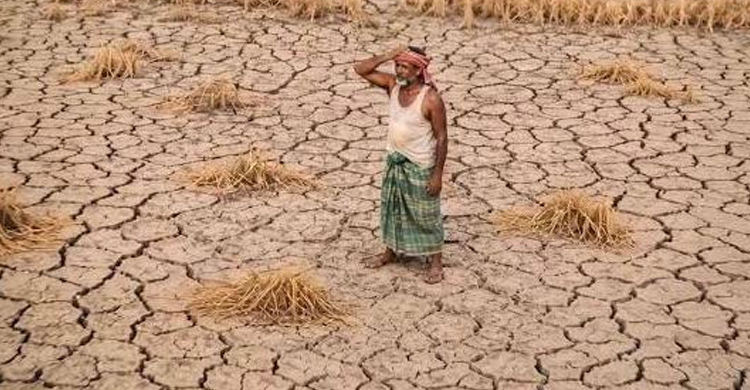
Agricultural scientist Dr. Rashedul Karim notes that untimely floods can severely damage rice, vegetables, and other crops. "This reduces farmers` incomes and can also affect local food supplies," he says, emphasizing the need to expand flood-tolerant crop varieties and improve agricultural planning.
Public health specialist Dr. Sharmin Akter warns that flooding can lead to shortages of safe drinking water, outbreaks of waterborne diseases, sanitation challenges, and increased psychological stress. "Post-disaster healthcare should be treated as a key component of disaster management planning," she says.
Md. Selim, a fisherman from Sirajganj, says, "After floods, work often comes to a standstill. Without an income, it becomes difficult to support my family." Tanvir Hasan, a student at the University of Dhaka, says, "To adapt to climate change, we must give equal importance to disaster preparedness and environmental conservation."
Experts recommend preserving the natural flow of rivers and wetlands, implementing science-based urban planning, constructing resilient embankments, strengthening flood forecasting and early warning systems, promoting climate-resilient housing, and accelerating rehabilitation programs for affected communities. At the global level, they also emphasize that reducing greenhouse gas emissions remains essential for lowering long-term climate risks.
Environmental policy expert Dr. Sayma Rahman says, "Disasters cannot be prevented entirely, but with proper planning, scientific knowledge, and effective policies, human suffering and economic losses can be significantly reduced."
According to analysts, flash floods are not merely natural disasters; they also create profound social, economic, and humanitarian challenges. In an era of climate change, integrated efforts that combine climate adaptation, environmental conservation, resilient infrastructure, and disaster preparedness offer the most effective strategy for protecting lives and livelihoods in the years ahead.