Seventy-nine years after 27 October 1947, Kashmir remains a land where history continues to shape the lives, memories and aspirations of its people.
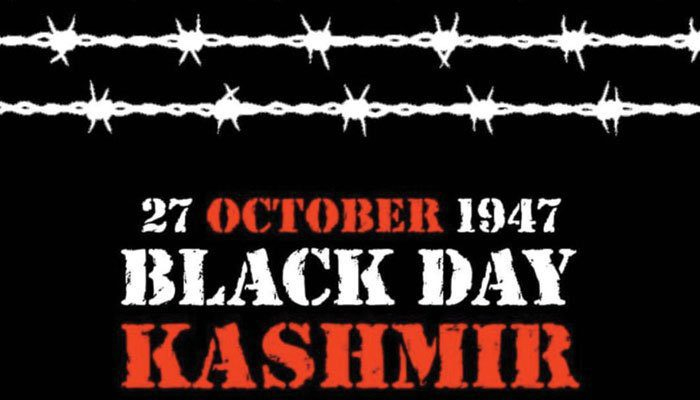
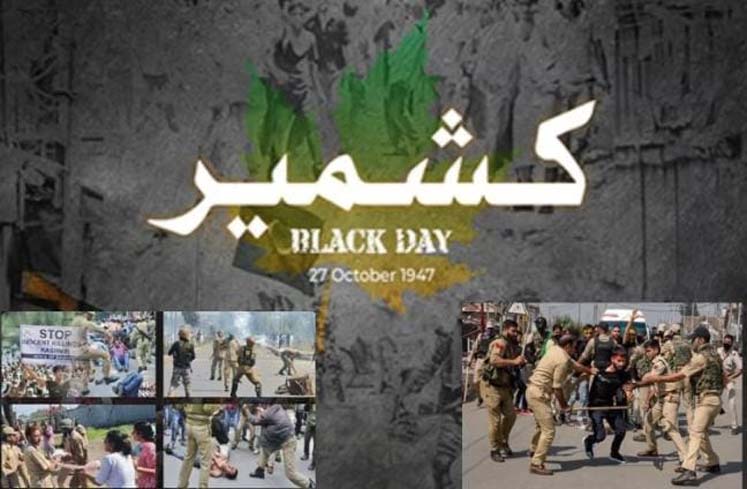
By Nisaar Thakur: Every year, 27 October arrives quietly, but for Kashmiris, it carries the weight of a history that has never truly ended. On 27 October 1947, Indian troops arrived in Srinagar following the accession of Jammu and Kashmir to India. For Kashmiris, this date became a symbol of the beginning of a conflict that would shape generations and leave deep wounds across the region.
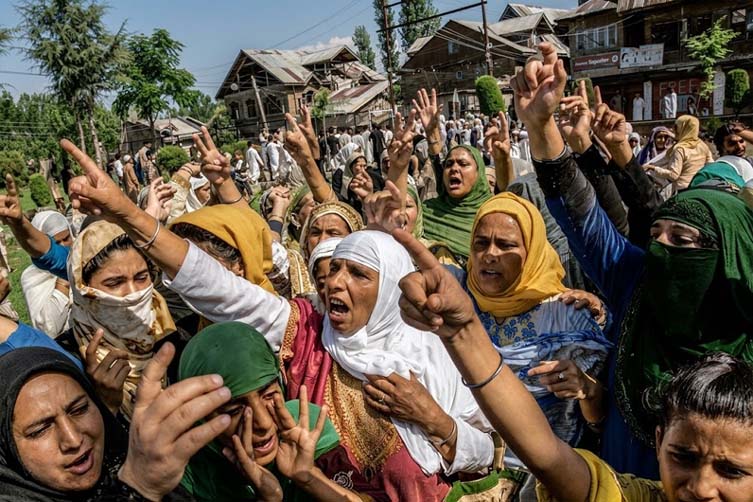
The tragedy of Kashmir cannot be confined to a single day in 1947. It has travelled from one generation to another, entering homes, schools, families and memories. Parents have waited for sons who never returned. Women have raised children while carrying the burden of loss. Children have grown up surrounded by uncertainty, learning about fear and separation before they were old enough to understand their meaning.
The years that followed brought conflict, arrests, disappearances, killings and restrictions that transformed ordinary life. Streets that should have been filled with children became places of anxiety. Families learned to live with uncertainty. Yet, throughout those years, Kashmiris continued to preserve their memories and identity and voice their demand for dignity and a say in determining their future.
The international dimension of the Kashmir dispute also dates back to its earliest years. The United Nations Security Council adopted resolutions concerning Jammu and Kashmir, including resolutions that envisaged a free and impartial plebiscite to determine the territory`s future. Decades later, the question of Kashmir`s political future remains unresolved.
This is why Kashmir Black Day is not simply an annual commemoration. It is a day of remembrance for those who lost their lives, those who disappeared, those who were imprisoned and the families whose lives were permanently changed. It is also a reminder that behind every political discussion about Kashmir are ordinary people who have lived through generations of conflict.
But the story of Kashmir is not only a story of suffering. It is also a story of endurance. Despite decades of conflict, Kashmiris have continued to preserve their culture, remember their history and speak about their aspirations. Their struggle has endured because their collective memory has survived.
Today, a new generation carries that memory forward. Young Kashmiris may live in a world of smartphones, social media and rapid technological change, but the questions inherited from earlier generations remain. What happened in 1947 is still remembered, and what followed continues to shape the lives of Kashmiris today.
On 27 October, Kashmiris across the world remember the day that changed their history. They mourn the losses of the past, reflect on the struggles of the present and continue to hope for a future in which the people of Kashmir can live with dignity and peace and exercise their right to determine their own destiny.