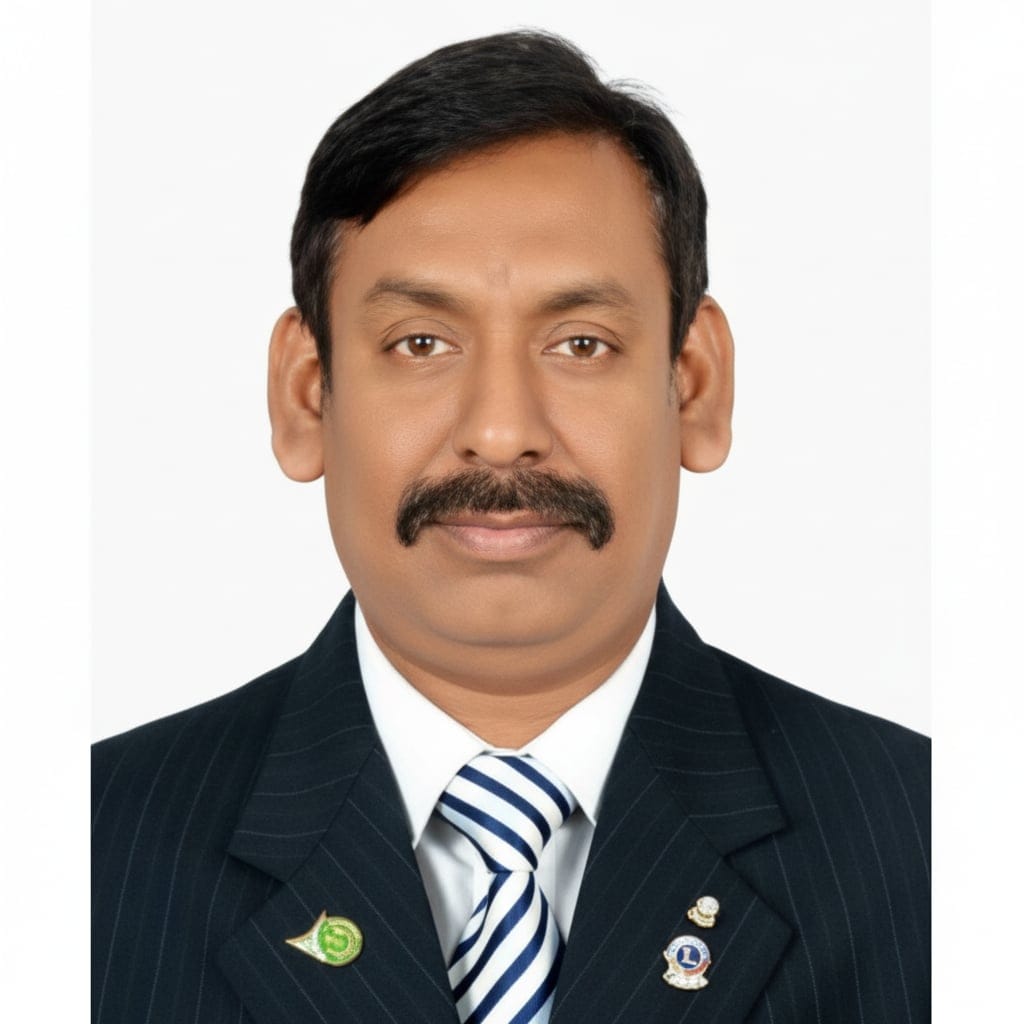
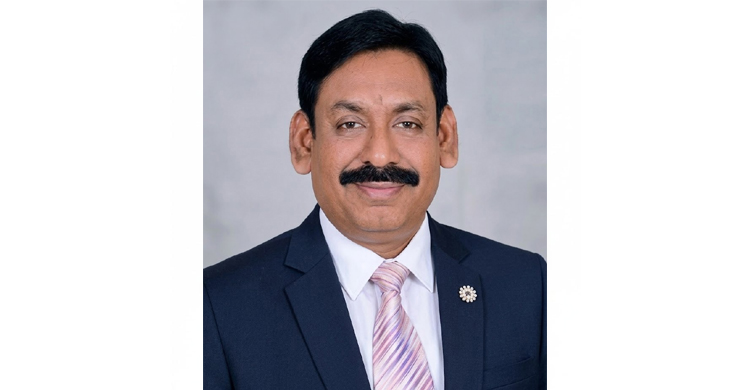
Lion Md. Gani Miah Babul :
October 31 is World Cities Day. The theme for 2026, “Urban Revitalization: Adequate Housing for All,” raises an urgent question concerning urban development: For whom are our cities being built? If a city provides opportunities for employment, education, and healthcare but fails to ensure safe housing, mobility, clean water, and a healthy environment, urban development remains incomplete. Therefore, World Cities Day is not merely an occasion to celebrate the achievements of cities. It is also a day to review how effectively urban planning, services, and accountability are improving people`s lives. The number of people moving to cities in Bangladesh is increasing rapidly. According to a 2025 analysis by the World Bank, the country`s urban population increased by 11.5 million between 2011 and 2022, of whom approximately 6 million moved from rural areas to cities. The same analysis states that one in every four poor people in the country lives in an urban area. This transformation should not be viewed merely as the pressure of population growth; it is also a test of planning for housing, employment, transportation, water, and civic services. Dhaka is the most visible example of this crisis, but unplanned urbanization is also a matter of concern in other major cities, district towns, and municipal areas across the country. For Dhaka, the Detailed Area Plan (DAP) of the Rajdhani Unnayan Kartripakkha (RAJUK) provides guidelines for land use, water bodies, flood-flow zones, and infrastructure development. However, the existence of a plan alone does not make a city planned. Consistent enforcement is necessary to ensure that buildings are constructed according to approved designs, land is used in accordance with the capacity of each area, and services are provided in proportion to population size. In April 2025, the RAJUK Chairman stated that work had begun to identify unauthorized portions of 3,382 buildings under construction within RAJUK`s jurisdiction. This figure does not represent all buildings in Dhaka or the nationwide situation; rather, it refers to buildings under construction identified by RAJUK. Nevertheless, it clearly demonstrates the importance of regular inspections and the enforcement of regulations after building approvals have been granted. Unauthorized construction or construction beyond approved designs is not merely a violation of regulations; it also puts the safety of residents and surrounding communities at risk. Structural and fire safety, emergency exits, access routes, and the capacity of surrounding roads are all connected to building approval and inspection. Therefore, information concerning building permits, approved designs, construction-stage inspections, and occupancy permits must be made publicly available in a way that citizens can easily verify. In cases of serious violations, measures such as stopping construction, ordering corrective action, or restricting the use of unsafe buildings must be effectively implemented. Builders must be held accountable for violating regulations, and the relevant authorities must also explain any negligence in approval or supervision. Another major indicator of urban development is the extent to which roads are safe and accessible to everyone. If roads are viewed solely as spaces for vehicular movement, the needs of pedestrians, public transport passengers, cyclists, children, older people, and persons with disabilities are neglected. Encroached or disconnected footpaths, a lack of safe crossing facilities, inadequate lighting, and dangerous intersections force people to share the same road space with vehicles. Safe pedestrian crossings, properly planned bus stops, appropriate road lighting and signage, and disability-friendly designs should be mandatory components of every road project. If road accidents are viewed solely as the result of drivers` mistakes, major opportunities for prevention remain overlooked. In addition to speeding, violations of traffic laws, and unskilled drivers, risky road designs, roadside obstacles, and inadequate footpaths and pedestrian crossings also increase the risk of accidents. The World Bank`s analysis of road safety in Bangladesh states that the use of the same roads by different types of vehicles and pedestrians, narrow lanes, limited road shoulders, the absence of footpaths, and a lack of safe infrastructure increase road safety risks. In other words, unplanned road design is a real contributing factor to accidents and must be given due importance in road construction and renovation. According to the World Health Organization`s 2023 Bangladesh profile, the official number of road accident deaths in 2021 was 5,084, while the organization`s model-based estimate for the same year was 31,578. These figures are based on different methodologies: one comes from an official report, while the other is a WHO estimate. Therefore, they should not be treated as equivalent figures. This discrepancy also highlights the need to improve the collection and analysis of accident data. Although road safety audits are in place for new roads, the WHO profile identifies a gap in national targets for upgrading all roads to meet safety standards. The government must therefore ensure road safety audits on both new and existing roads, improvements at accident-prone locations, and regular publication of accident data and the measures taken in response. Traffic congestion in Dhaka is not simply the result of an increase in the number of vehicles. A lack of coordination in public transport routes and services, irregular passenger boarding and alighting, unplanned parking, disorderly road construction activities, and a shortage of safe walking routes make traffic movement even more complicated. Simply widening roads or constructing flyovers will not provide a lasting solution. Reliable and affordable public transport, coordinated routes, properly planned bus stops and parking facilities, and safe walking routes providing access to public transport must be developed together. Before approving new housing projects, industrial zones, or commercial centres, plans must be in place to determine how the demand for transportation, water, sanitation, healthcare, and educational institutions will be met. Waterlogging during the monsoon, encroachment on canals, and pollution make people directly experience the consequences of unplanned development. When drainage routes are blocked, merely cleaning drains is not enough; canals, water bodies, flood-flow zones, and natural drainage channels must be protected. A description of the World Bank`s Dhaka Water Security Programme, published in February 2026, states that more than half of Dhaka`s canals have disappeared or become obstructed. The same description also highlights limited sewerage connections and the discharge of untreated wastewater into waterways. Although this information focuses on Dhaka, the lessons are equally applicable to other cities in the country. Canal restoration, waste collection, sewage treatment, water supply, and drainage must be integrated into a single plan. The health of urban residents does not depend solely on hospitals. The air they breathe, the water they drink, the noise they experience, and the environment in which they move around are all connected to their health. A 2023 World Bank environmental analysis of Bangladesh stated that Dhaka`s annual average concentration of fine particulate matter (PM2.5) could reach 90–100 micrograms per cubic metre. Construction dust, vehicle emissions, brick kilns, industrial emissions, and waste burning are among the various sources of air pollution. Excessive horn use, construction activities, and traffic noise are also more than mere sources of irritation. The World Health Organization states that prolonged exposure to noise is associated with sleep disturbances, psychological stress, and risks to cardiovascular health. Controlling dust at construction sites, monitoring emissions from vehicles and industries, enforcing noise limits, and regularly publishing relevant data are therefore essential components of protecting urban public health. Cities must also be prepared for climate risks. Trees, parks, playgrounds, ponds, and wetlands are not merely sources of beauty; they help reduce heat, retain rainwater, and provide spaces that support people`s well-being. A World Bank analysis has highlighted the relationship between rising temperatures in Dhaka and the decline in green spaces and vegetation. Therefore, development plans must include the protection of open spaces and water bodies, shaded pedestrian routes, roadside trees, rainwater retention, and public awareness measures during heatwaves. People living in low-income and informal settlements must receive priority in plans for drainage, emergency services, and protection from extreme heat. The 2026 theme of World Cities Day also brings the issue of adequate housing to the forefront. Due to the high cost of land and rent, low-income people are often forced to live in informal settlements or areas with inadequate services. Evicting them does not resolve the housing crisis; rather, it may make access to livelihoods, education, and healthcare more difficult. The development of old and vulnerable neighbourhoods must include residents` participation, safe water, electricity and sanitation, affordable rent and housing, and safeguards against displacement. Urban revitalization does not simply mean constructing new buildings; improving the rights and living conditions of existing residents is also an integral part of it. Lack of coordination often hinders urban development because related issues fall under the responsibilities of multiple authorities. The government should publish a National Urban Action Plan through coordination between the Ministry of Housing and Public Works and the Local Government Division. The plan must clearly define the responsibilities of RAJUK and other development authorities, city corporations, municipalities, water supply and sewerage agencies, road and transport authorities, and the Department of Environment. During the first six months of each annual action plan, city-specific data could be published on building approvals and inspections, accident-prone roads, footpaths, canals, waterlogging, air and noise pollution, housing, and waste management services. During the following six months, an urban action plan should be published with priorities, budgets, responsible agencies, and measurable targets. Thereafter, a progress report should be published every year, detailing expenditure, timelines, and the resolution of citizens` complaints. Urban plans cannot be realistic unless they are developed by listening to citizens` needs. Ward-level public hearings must gather opinions from women, children, older people, persons with disabilities, pedestrians, public transport passengers, low-income residents, and small business owners. It is also the responsibility of the authorities to explain which proposals have been incorporated into the plans, which have not, and why. Before projects begin, assessments of their environmental, road safety, water, livelihood, and displacement impacts should be conducted, and the findings should be made public. Citizen participation increases the acceptability of plans and helps identify implementation gaps more quickly. Unplanned urbanization is a major obstacle to a country`s sustainable development. To address this problem, the government, urban planners, relevant institutions, and the general public must work together. Unplanned urbanization can be prevented by ensuring proper urban planning, strict enforcement of laws, environmental conservation, adequate housing, and improved civic amenities. Effective initiatives must be taken to protect water bodies, agricultural land, and green spaces. Long-term planning and increased public awareness are essential for urban development. Therefore, effective measures are essential to prevent unplanned urbanization and build cities that are livable, safe, and environmentally friendly. About the Author Lion Md. Gani Miah Babul Teacher, poet, columnist, social worker, and organizer. Founding President, Bangladesh Government Secondary Teachers` Association (Agriculture), Central Committee. Joint Secretary-General, Nirapad Sarak Chai (NISCHA), Central Committee. Phone: 01552631118, 01842631118 Email: lionganibabul@gmail.com