×
Home National Politics Business Bangladesh International Sports Entertainment Law & Justice More News Capital News Health Features Business Icon Technology Media Features Economy Education Literature Quran & Hadish Photo Gallery Editorial Religion Tours & Travels Tourism Guide Editors Corner Campus Youth Popular Organizations Country Wide Life Style Jobs Prism Notice History & Culture Messages Op-ed Wildlife Activities Foreign relation Accident Environment Asia Videoes Analysis Energy Book Reviews Literature Others KSA Arab World Cricket Football More Banking Corporate Global economy Real Estate Entrepreneur Start-up Telecom Summit Travel Art and Culture Food Book Fourth Estate View Letters to Editor Political Icon Diplomat Scholarship Career Job

Saturday 27th of June 2026 E-paper
* Venezuela earthquakes toll rises to 920: official   * ইরানে আবারও ভয়াবহ হামলা চালাল যুক্তরাষ্ট্র   * ডেম্বেলের ইতিহাস গড়া হ্যাটট্রিকে গ্রুপ চ্যাম্পিয়ন ফ্রান্স   * বেইজিংয়ে ১০৯ তলা ভবনে বিমান বিধ্বস্ত   * মালয়েশিয়া ও চীন সফর শেষে দেশে ফিরলেন প্রধানমন্ত্রী   * ভূমিকম্পে বিপর্যস্ত ভেনেজুয়েলায় নিহত বেড়ে ৫৮৯, নিখোঁজ বহু   * ভেনেজুয়েলায় ভূমিকম্পে নিহত অন্তত ১৮৮, নিখোঁজের সংখ্যা ছাড়াল ৪১ হাজার   * PM invites Chinese investors to co-author next great Asian economic miracle in Bangladesh   * ভেনেজুয়েলায় জরুরি অবস্থা জারি করলেন প্রেসিডেন্ট   * ভেনেজুয়েলায় উদ্ধার সহায়তার প্রস্তাব এল সালভাদরের  
   Op-ed
  Bangladesh’s Mango: Exceptional in Taste and Aroma, Yet Lagging Behind in the Global Market

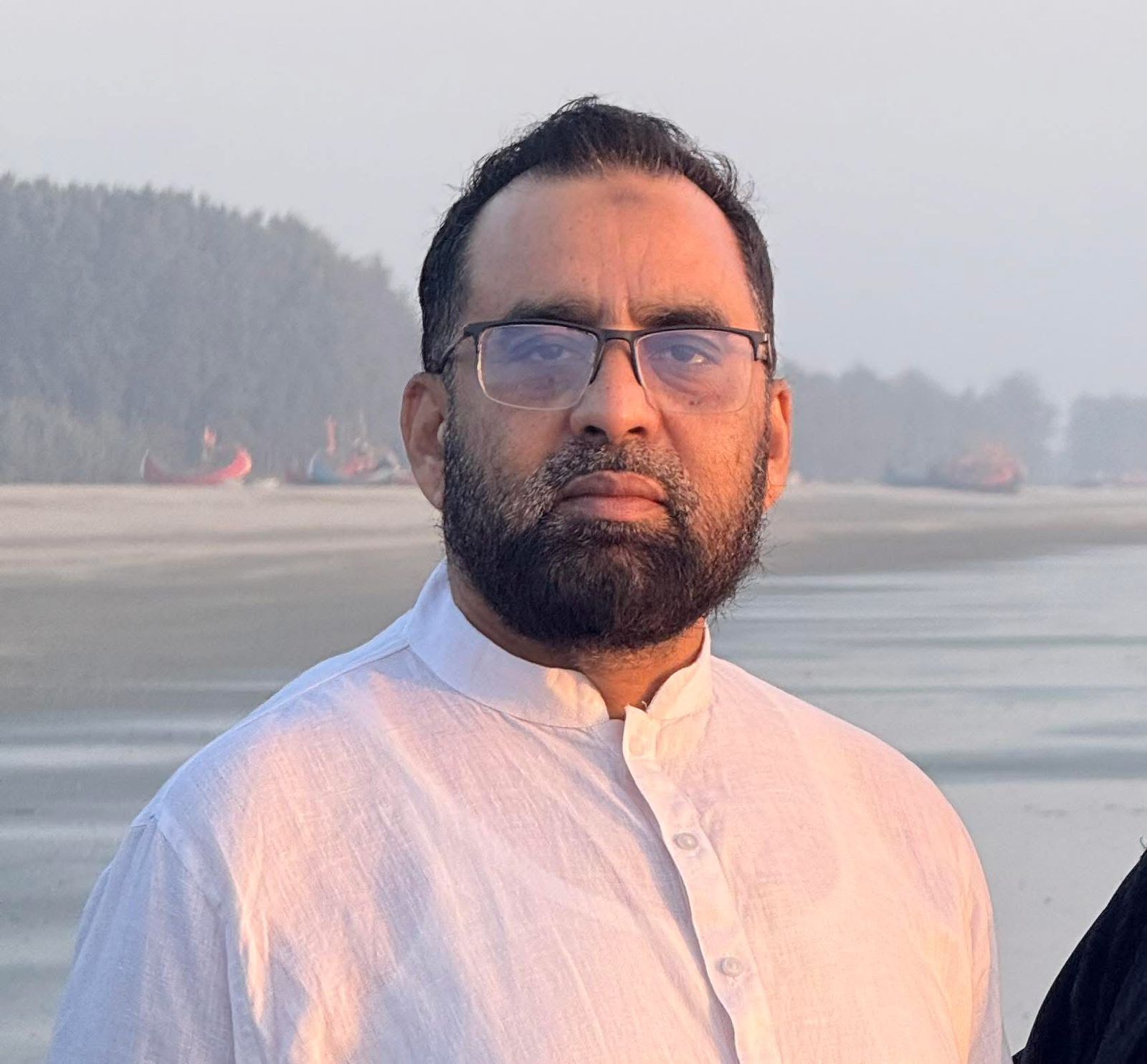
Md. Mukhlesur Rahman: Bangladesh’s mango is not just a fruit; it is an important part of our agricultural heritage, culture, and rural economy. Mangoes from Rajshahi, Chapainawabganj, Naogaon, Satkhira, Jhenaidah, Rangpur, Khagrachhari, and various other regions have their own unique taste, aroma, and identity. Varieties such as Himsagar, Khirsapat, Langra, Gopalbhog, Haribhanga, and Gaurmoti are each distinctive in their own qualities.

However, the unfortunate reality is that the mango we take pride in for its exceptional taste has still not been established as a strong global brand in the international market.

Bangladesh still largely considers mango as a seasonal fruit. Yet in the modern agricultural economy, producing a fruit alone is not enough; it must be processed, preserved, branded, and made suitable for global markets. This is where we are significantly behind.

Mango production is increasing day by day, but a mango industry is not developing at the same pace.

Every year during the mango season, a huge quantity of mangoes enters the market. Within a few weeks, excessive supply causes prices to fall. Farmers often fail to receive the expected price compared to their production costs. In contrast, developed countries have strengthened their agricultural sectors through processing industries.

A mango is not only a fresh fruit. It can become:

* High-quality mango pulp
* Mango puree
* Raw materials for juice and food industries
* Ingredients for the ice cream industry
* Dried mango
* Freeze-dried mango snacks
* Ingredients for baby food and international food processing industries

There is enormous demand for mango in the global food industry. However, Bangladesh has not yet been able to establish a desired position in that market.

Although some Bangladeshi companies produce juices and fruit-based products, in many cases the low proportion of real fruit content has prevented them from becoming reliable long-term suppliers to major international food industry buyers.

Bangladeshi farmers are highly skilled in mango production. Our soil, climate, and diversity of mango varieties are valuable assets. However, there are major weaknesses in the entire supply chain from the tree to the market.

The necessary infrastructure includes:

* Modern packing houses
* Cold chain facilities
* Controlled transportation systems
* Storage technologies
* Processing factories
* International-standard certifications

Due to the lack of these facilities, a large portion of produced mangoes fails to achieve their potential value.

Learning from Thailand and India

Thailand can be an example for Bangladesh in transforming an agricultural product into an international brand. They have already achieved success in this sector. Their success is based on a well-organized system—a complete chain from farmers to exporters.

They have developed:

* Registered farms
* Traceability systems
* Modern packing houses
* Vapor heat treatment facilities
* International-standard export structures

Most importantly, they have not focused only on exporting fresh mangoes; they have created value-added products such as dried mango and freeze-dried mango and established a strong presence in the global market.

India’s mango industry can also provide valuable lessons. They have developed specialized processing zones centered around mango production. Contract-based relationships between farmers and processing companies have created an integrated system from production to export.

They have successfully transformed varieties like Alphonso and Kesar from ordinary fruits into internationally recognized brands.

Bangladesh’s Himsagar, Khirsapat, and other mango varieties also have similar potential.

Bangladesh Must Transform Mango from an Agricultural Product into an Industry

Mango-based industrial clusters should be developed in regions such as Rajshahi, Chapainawabganj, Naogaon, Satkhira, and Jhenaidah.

These clusters should include:

* Mango pulp factories
* Puree plants
* IQF frozen mango units
* Concentrate production facilities
* Dried mango industries

Farmers should be connected with these industries through contract-based production systems.

Secondly, farmers need more than just production training. They require training in international-standard agricultural management, including safe use of agricultural chemicals, proper harvesting time, and food safety standards.

Thirdly, organizations like the Hortex Foundation and other relevant institutions should be strengthened to create an effective export-support platform that can lead in certification, cold chain development, market linkage, and international promotion.

Obtaining Geographical Indication (GI) recognition alone is not enough. It must be transformed into a commercial brand.

Creating international brands such as “Rajshahi Khirsapat Mango” or “Chapainawabganj Premium Mango” could help Bangladesh’s mango enter mainstream international retail markets beyond only expatriate communities.

Without Cold Chain, Global Market Success Is Impossible

To send quality mangoes to international markets, taste alone is not enough. Safety, durability, and quality control are essential.

Investment must increase in vapor heat treatment, advanced packaging, temperature-controlled transportation, and modern storage technologies.

It is not possible to capture long-distance markets by transporting mangoes under normal conditions at high temperatures.

We must also consider alternatives to air cargo. Due to high air freight costs, Bangladeshi mangoes may lose competitiveness in many markets. Therefore, in the long term, we need the capacity to transport mangoes through controlled-atmosphere reefer containers by sea.

This will reduce costs and create opportunities for entering new markets.

It is important to recognize that the greatest strengths of Bangladesh’s mango are its taste, diversity, and heritage. However, in the global market, good fruit alone is not enough to survive. We need technology, investment, processing, branding, and a strong supply chain.

Our goal should be:

“Not just selling seasonal mangoes, but building a year-round mango industry.”

Only then will farmers receive fair prices, employment opportunities will increase, and Bangladesh’s mango will achieve a respectable position in the global market.

The well-being of our mango farmers should be the central goal of agricultural development.

Md. Mukhlesur Rahman
Economist, Social Thinker & Agricultural Entrepreneur


Share Button


Bangladesh’s Mango: Exceptional in Taste and Aroma, Yet Lagging Behind in the Global Market
.............................................................................................
Palashi Day in National Consciousness: A Historical Warning
.............................................................................................
US–Iran Agreement: Prospects for Peace in the Middle East
.............................................................................................
Parliamentary Politics and Historical Inconsistencies: The Conflict Between Ideological Narratives and Biological Reality
.............................................................................................
A Good Budget Must Be Matched by Effective Implementation
.............................................................................................
The Unlimited Accumulation of Wealth by a Few Leads to the Poverty of Many
.............................................................................................
The Tears of Farmers Under the Grip of Middlemen: How Much Longer Must Market Reform Wait?
.............................................................................................
A Diplomatic Path to Resolving the Middle East Conflict
.............................................................................................
Bangladesh’s New Achievement on the World Stage: Honor Accompanied by Great Responsibility
.............................................................................................
No politics around Islami Bank; Let the focus be on reform
.............................................................................................
Failure to Make the Right Decisions Regarding Islamic Banks Could Trigger Political and Economic Instability
.............................................................................................
Justice must be ensured swiftly but through due process
.............................................................................................
Indian Muslims need to unite under a single banner
.............................................................................................
Qurbani: A Lesson in Humanity
.............................................................................................
Padma Barrage under Tarique Rahman’s Visionary Leadership: A New Chapter of Development and National Dignity
.............................................................................................
Lightning Season: From Fear to Preparedness and Prevention
.............................................................................................
Fuel Prices Surge, Markets in Turmoil: Inflation Strangles Everyday Life
.............................................................................................
The Pakistani Era of East Bengal & the Lost Opportunities of the Bengali Muslims
.............................................................................................
From Shiab Abi Talib to today: A long history of economic sanctions
.............................................................................................
Zinnat Ara Ifa: A Silent Force for Humanity
.............................................................................................
Hold Friends and Leave Foes
.............................................................................................
Low-profit policies are essential for local markets amid global crisis
.............................................................................................
Venice of the East Now a City at Risk: Silent Subsidence Threatens Barishal, Immediate Government Action Needed
.............................................................................................
Unprovoked Aggression Sparks Regional Crisis: Iran Responds to US-Israeli Assault
.............................................................................................
Iran War Sends Shockwaves Through Global Agriculture
.............................................................................................
Fighting the Unhinged US Bully: Is It the Duty of Iran Only?
.............................................................................................
Iran–US–Israel Conflict: Implications of the Energy Crisis in Bangladesh and Pathways for Solutions
.............................................................................................
Failure in English Proficiency: Depth of the Crisis, Historical Context, and a Long-Term Path Forward
.............................................................................................
The US War of War Crimes and Trump’s Empty Cry
.............................................................................................
The US Mission of Genocide and Destruction in Iran
.............................................................................................
The State of Occupational Health and Safety in Bangladesh
.............................................................................................
Merit vs. Connections: The Invisible Politics of Workplace Promotions
.............................................................................................
The US Shows its Power of Extreme Barbarity
.............................................................................................
The Iranians are not Weaker than the Afghans: The Hope for the US Victory is Fading Quickly
.............................................................................................
The Iranians are not Weaker than the Afghans: The Hope for the US Victory is Fading Quickly
.............................................................................................
The Urgent Need for Restructuring the Geopolitical Map of the Ummah
.............................................................................................
Pakistan’s Stance on Afghanistan: A Principled Approach Amid Rising Threats
.............................................................................................
Benefits of “Yes” vote in Referendum
.............................................................................................
Strategic Parliamentary Accommodation in Bangladesh
.............................................................................................
Kashmir Solidarity Day — Pakistan’s Voice for Justice, Peace and Human Rights
.............................................................................................
Social Reformer Nawab Sir Salimullah
.............................................................................................
Sovereignty Hanging on Barbed Wire: The Felani Killing, Water Disputes, and the Long Shadow of Hegemony
.............................................................................................
From Plassey to July: An Unbroken Journey of Shattering Chains
.............................................................................................
Differences of Opinion Are Inevitable, but National Unity Is Bangladesh
.............................................................................................
Begum Khaleda Zia’s Rise: A Journey from Domestic Life to Democratic Resistance
.............................................................................................
Attacks on Christian Minorities in India During Christmas 2025- A rowing Human Rights Concern
.............................................................................................
Sheikh Numan Reader calls for humanitarian vision from industrialists in fundraising for the Readford Foundation`s social welfare fund
.............................................................................................
Anti-Bangladesh Narratives, Attacks on Diplomatic Missions, and the Imperative of National Awareness
.............................................................................................
Sharif Osman Bin Hadi Killing: Massive Funeral Reflects Public Anger Against Indian Hegemony
.............................................................................................
Modi`s Image Crisis and the Challenge to Bangladesh`s Sovereignty
.............................................................................................
Chief Advisor: Md. Tajul Islam,
Editor & Publisher Fatima Islam Tania and Printed from Bismillah Printing Press, 219, Fakirapul, Dhaka-1000
Editorial Office: 219, Fakirapul (1st Floor), Dhaka-1000.
Phone: 02-41070996, Mobile: 01720090514, E-mail: muslimtimes19@gmail.com
2022 @ All Right Reserved By www.themuslimtimes-bd.com