×
Home National Politics Business Bangladesh International Sports Entertainment Law & Justice More News Capital News Health Features Business Icon Technology Media Features Economy Education Literature Quran & Hadish Photo Gallery Editorial Religion Tours & Travels Tourism Guide Editors Corner Campus Youth Popular Organizations Country Wide Life Style Jobs Prism Notice History & Culture Messages Op-ed Wildlife Activities Foreign relation Accident Environment Asia Videoes Analysis Energy Book Reviews Literature Others KSA Arab World Cricket Football More Banking Corporate Global economy Real Estate Entrepreneur Start-up Telecom Summit Travel Art and Culture Food Book Fourth Estate View Letters to Editor Political Icon Diplomat Scholarship Career Job

Wednesday 16th of September 2026 E-paper
* ২৪ ঘণ্টায় ৩ মার্কিন ড্রোন ভূপাতিতের দাবি ইরানের   * সংসদ ভবনের সামনে শিক্ষিকার মৃত্যু, মালামালসহ গ্রেপ্তার ২   * নিখোঁজের ৭ দিন পর শিশুর বস্তাবন্দি টুকরো মরদেহ উদ্ধার   * সব উপজেলা ও ইউনিয়ন ভূমি অফিসে বায়োমেট্রিক হাজিরা চালুর নির্দেশ   * মানবতাবিরোধী অপরাধে কাদের-আরাফাত-সাদ্দামসহ ৭ জনের মৃত্যুদণ্ড   * স্থানীয় সরকার নির্বাচন নভেম্বরে, জানে না সরকার: মীর শাহে আলম   * পাঁচ মাসে হামের টিকা পেয়েছে প্রায় ২ কোটি শিশু   * রাষ্ট্রপতি হয়ে প্রথমবার পুণ্যভূমি সিলেটে মির্জা ফখরুল ইসলাম   * Industrial gas supply to rebound to 1.5-month ago level tomorrow: PM   * হাম উপসর্গে আরও ৮ জনের মৃত্যু, আক্রান্ত ১২৩২  
   Op-ed
  The Proxy States in the Middle East, the War of Geopolitics and the New Hope

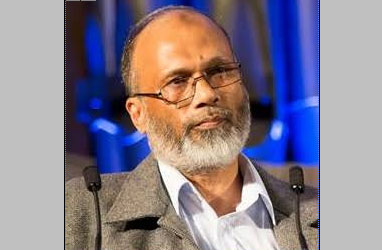
Dr. Firoz Mahboob Kamal: The proxy states & the evils: Israel, Saudi Arabia, UAE, Kuwait, Bahrain and Qatar were created as the British proxies after dismantling the Osmania Khilafa in World War I. Before the war, there was no such state by these names on the world map. The Muslim Ummah -especially the people of Palestine are the worst victims of this post-World War I imperialists’ geopolitics. Since then, the oil-rich Middle East has become the most favoured hunting ground for the imperialist robbers and the heated playground of geopolitics. The British Empire protected these gulf proxies till World War II. After the demise of the British Empire after World War II, these proxy states became the US proxies. The US keeps its military presence in all these proxy states to sustain its geopolitical hegemony and the unhindered robbery of their wealth.

In the whole Middle East, only Iran happens to be an independent state. After the Islamic revolution in 1979, Iran proved to be an incompatible entity with the geopolitics of the imperialist US and its Western allies. The current regime in Iran has become a huge bar against the USA`s political hegemony and robbery. This is indeed the root cause of the current war in the Middle East. The US political culture doesn`t allow such non-compliance of a thirdly world country of the US policy. It is frustrating as well as annoying for the USA that its Venezuela-like war game didn`t work in Iran. So it is the core intent of the US war policy to punish Iran. In fact, President Donald Trump runs the war against Iran on the premise to fulfill his arrogant intent. He even expressed his intention to delete the whole of Iran from the surface of the planet.

The war: the cause and the outcomes: The Arab proxies are not happy with Iran either because of its incompatibility with their own pro-US policy.  So, along with their master state USA, they too want to punish Iran. The war and the political games of current geopolitics are aimed at meeting that end. Hence Iran faces a full US economic cum naval blockade. The UAE has also ended its trade link with Iran. So the Iranian economy is in great crisis. Since it is a survival issue for Iran, its threshold of tolerance stays very high.

There was a US supported attempt to drag Pakistan and Turkey to the war in the name of the Makka Treaty especially to protect Saudi Arabia so far. It proved ineffective. The Saudi military bases and its oil installations have become the targets of repeated Houthi missile attacks, but none from Pakistan and Turkey came to protect them. The Saudi leaders failed to understand that war means shedding blood for a national cause; so one needs to fight his own war. Money can’t buy the blood of a free man. It was in the day of slavery when slaves used to fight and die for the cause of the masters. But those days are gone.  

But Iran has also developed its own proxies like Hezbollah in Lebanon, Houthis in Yemen and People`s Mobilisation Force in Iraq. These Iranian proxies are now showing their biting power. As a result, Iran could also put blockade against the proxy states; so their economy is also in crisis.

The new hope: The US and its Arab proxies now find no easy way out of the self-created quagmire. It was published in the US media that Saudi Arabia and UAE leaders invited the US to attack non-compliant Iran. Now they suffer the consequences of the war they invited. It seems, the ongoing war between the US and Iran is not going to end soon unless one party surrenders. But none of the parties are ready for that. So the war now continues as a war of attrition.

However, there is a huge chance of escalation. All Gulf States now face heavy economic blockade. The economic boom of the UAE is shattered. The oil export of Saudi Arabia, Bahrain, Kuwait, and Qatar is drastically reduced. The tolerance threshold of the people of Saudi Arabia and other proxy Arab states are not as high as among the Iranians. So, the pressure on governments of the proxy states is mounting for an escalation and rapid end of Iranian dominance. Israel wants that too.

But these proxy states can’t do the job alone. They have money but no war skills. Saudi Arabia even can’t fight against the Houthis, let alone fighting against Iran. So, all the gulf proxies are asking the US and other western powers to enter the war more militarily and decisively. But the US likes only the leadership and wants the economic and military burden of war to be on all the regional Arab states as well as on Pakistan and Turkey.

But there is a little chance that Pakistan and Turkey will take that burden. Because these two countries have their own domestic problems; the people do not want war. The Army of Pakistan is already in a huge war against its own people especially in Balochistan. The Pakistan Army has also an undeclared on and off war against Afghanistan. Moreover, more than 20 percent of people in Pakistan are shia. They will vehemently oppose Pakistan’s war against Iran. So any engagement in the quagmire will cause huge escalation of the domestic problems.

So the current geopolitics goes hugely in favour of Iran and works against the US and its Arab proxies. Probably this will work as a huge precursor of new geopolitical dynamics in the Muslim Ummah. So, there is new hope for the Ummah. It is also true that wars not only cause deaths and destruction, but also raise hopes. After all, all great powers were born after great wars. 

Writer: Dr. Firoz Mahboob Kamal is an author of books, newspaper columnist and consultant physician.


Share Button


The Proxy States in the Middle East, the War of Geopolitics and the New Hope
.............................................................................................
Treating someone as a criminal before conviction is a grave injustice
.............................................................................................
Beyond ribbon-cutting, Bangladesh’s real infrastructure test is maintenance
.............................................................................................
Relevant technological knowledge may become a greater asset than certificates
.............................................................................................
Climate is an engineering constraint: what Bangladesh must learn before building data centres
.............................................................................................
The Nature of Awami Fascists
.............................................................................................
The Legacy of a Mountain of Debt: A Record in Repayment, a Test in Reducing Liabilities
.............................................................................................
Strong Local Government: The Pillar and Driving Force of Development
.............................................................................................
Climate Change: The Silent Threat to Bangladesh’s Economy
.............................................................................................
A New Dawn for Bangladesh’s Energy Security
.............................................................................................
One Crore Jobs: Bangladesh’s Demographic Dividend Is Running Out of Time
.............................................................................................
A Glorious Chronicle: 65 Years of Government Laboratory High School
.............................................................................................
BNP’s Four Decades in Theoretical Light: History, Achievements, and the Dawn of a New Era
.............................................................................................
Nepal’s Vulnerability: The Anguish of a Bangladeshi Vice-Chancellor in Somalia
.............................................................................................
The Golden Fiber at a Crossroads: Temporary Export Gains or Sustainable Economic Transformation?
.............................................................................................
Two Generations, one Baul Soul: A Father and Son`s journey through Music
.............................................................................................
Rebuilding the Economy: What the Government’s First 180 Days Really Mean
.............................................................................................
The Presidential Election and Article 70 of the Constitution: An Unbiased Theoretical Analysis
.............................................................................................
The Silent Thief
.............................................................................................
Children`s right to Childhood
.............................................................................................
Can Ending the Unregulated Sale of Tobacco on Watercraft Ensure Tobacco-Free Water Transport?
.............................................................................................
Begom Khaleda Zia, the Beacon of Democracy: A Birthday Tribute
.............................................................................................
Shifting Politics and the Equations of Power
.............................................................................................
A Handful of Dreams, A Generation of Struggles: A Half-Century Journey of the Bangladeshi Community in Australia
.............................................................................................
Convicted Fugitive on a Political Stage: Delhi’s Mindset and Dhaka’s Indignation
.............................................................................................
Beyond Borrowing: Why Bangladesh Must Build Its Economy on Domestic Revenue
.............................................................................................
The Political Economy of Banking: Cronyism, Capture, and the Cost of Reform
.............................................................................................
Seven Years After Article 370: Modi`s Kashmir Gamble Came at the Cost of Democracy
.............................................................................................
The Architecture of Ownership: Why Protecting Intellectual Property is Bangladesh’s Next Great Frontier
.............................................................................................
The Strait of Hormuz Crisis: The Limits of Military Power, the Imperative of Diplomacy, and the Emerging Global Order
.............................................................................................
Jammu & Kashmir and Abrogation of 370, 35A
.............................................................................................
Anwar Ibrahim’s diplomatic initiative: A new window of opportunity for resolving Rohingya Crisis
.............................................................................................
The historic role of Private University Students in the July Revolution
.............................................................................................
July Warriors: The spirit of revolution and road to a new Bangladesh
.............................................................................................
The Global Energy Landscape Is Transforming Through the Expansion of Clean Energy
.............................................................................................
“Independent Balochistan”: a Facebook fantasy made in India
.............................................................................................
Navigating the Forex Crisis: Devaluation, Import Pressures, and Bangladesh’s Path to Structural Recovery
.............................................................................................
Irregular Weather Patterns Increase Uncertainty in Rice Production
.............................................................................................
Flash Floods Intensify the Crisis of Climate-Displaced Communities
.............................................................................................
Bangladesh ICT: Rich talent, weak institutional mechanism
.............................................................................................
Kashmir’s July 13: Memory, Justice, and the Search for Peace
.............................................................................................
FIFA`s Stained Legacy: How Will It Erase the Shame of 2026?
.............................................................................................
Impossible Peace with the US and the only Option for Iran
.............................................................................................
Political Activism and Muslims’ Failures
.............................................................................................
Money Laundering in Islamic Banks: Is It Time to Rethink the Role of Shariah Boards?
.............................................................................................
Standing Beside People Affected by Natural Disasters Is Our Collective Moral Responsibility
.............................................................................................
Political Activism and the Failures of the Muslims
.............................................................................................
Delayed Settlement of Import Payments Could Damage Bangladesh’s Reputation in the Global Market
.............................................................................................
Bangladesh’s Economic Growth is Promising: Proactive Preparedness is Essential to Manage Future Risks
.............................................................................................
Arabic Language Practice in Bangladesh: A Gateway to New Global Opportunities
.............................................................................................
Chief Advisor: Md. Tajul Islam,
Editor & Publisher Fatima Islam Tania and Printed from Bismillah Printing Press, 219, Fakirapul, Dhaka-1000
Editorial Office: 219, Fakirapul (1st Floor), Dhaka-1000.
Phone: 02-41070996, Mobile: 01720090514, E-mail: muslimtimes19@gmail.com
2022 @ All Right Reserved By www.themuslimtimes-bd.com