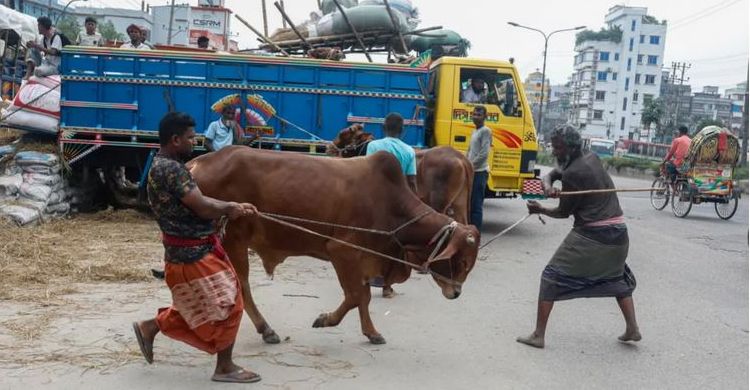
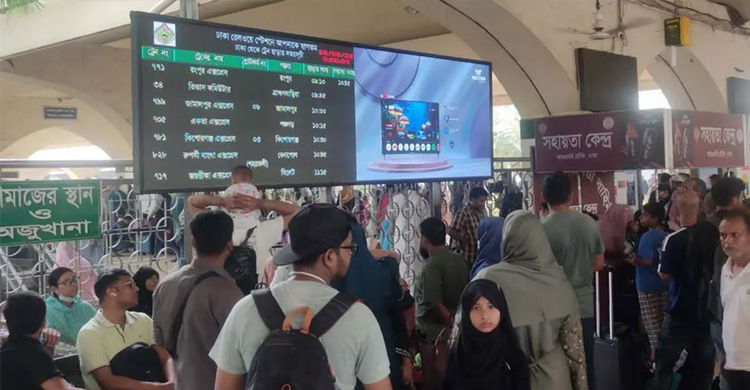
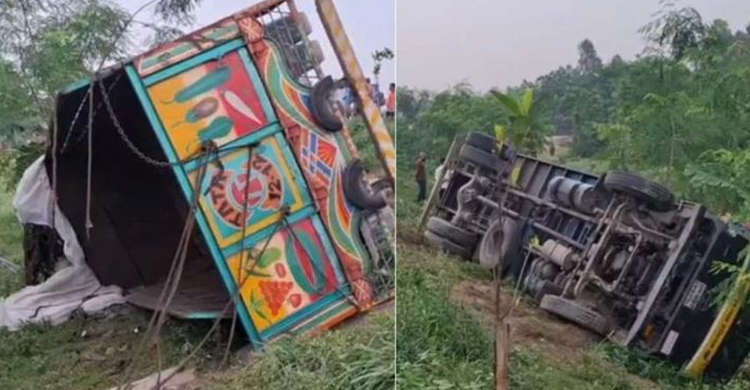
With Eid-ul-Azha approaching, Dhaka’s cattle markets are witnessing a growing rush of buyers and sellers as the capital prepares for one of Bangladesh’s largest seasonal economic activities driven by the Qurbani livestock trade.
Traders said adequate sacrificial animals have already arrived in the city from different districts, while authorities and market management committees claim sufficient preparations have been taken to ensure smooth trading in the designated cattle markets across the capital.
Visiting three of the city’s cattle markets, it was learned medium-sized cattle priced between Tk 1 lakh and Tk 2 lakh are currently dominating buyer demand, as many city residents are planning to sacrifice jointly with family members, neighbours or friends.
Cattle from districts including Kushtia, Chuadanga, Rajshahi, Pabna, Sirajganj, Faridpur, Jashore and Dinajpur are being displayed at the city’s temporary and permanent cattle markets.
The major cattle markets in Dhaka include Gabtoli Cattle Market, Aftabnagar Cattle Market, Meradia Market, Sarulia Market, Bosila Market, Tongi Temporary Market areas adjacent to the capital, and several smaller designated markets under the two city corporations.
“We are getting many options this year. Compared to last year, the supply appears better,” said buyer Mohammad Rafiq at Gabtoli market.
“Prices are still high for premium cattle, but medium-sized cows are relatively affordable. Since we are sharing the Qurbani jointly, we are mainly looking for cattle within Tk 1 lakh to Tk 1.5 lakh,” he added.
A cattle trader from Kushtia, Abdul Hamid, said farmers brought a large number of animals this year hoping for good prices.
“Feed and transportation costs increased this year, so naturally prices are slightly higher. Still, we are trying to keep rates reasonable because buyers are price-sensitive,” he said.
Volunteers working at the cattle markets said efforts are underway to maintain discipline, sanitation and security during trading activities.
“We are assisting buyers with information, ensuring proper movement inside the market and helping maintain cleanliness,” said volunteer Rakib Hasan at Aftabnagar cattle market.
“The crowd is increasing gradually every day, especially during evening hours,” he added.
Counterfeit-note detection machines are installed across major cattle markets to prevent financial fraud while dedicated temporary bank booths allow farmers and traders to safely deposit their earnings or open new accounts instantly.
Veterinary medical teams are stationed at major markets to inspect animals. No animal is permitted to be sold without health clearance. Mobile courts operate to crack down on the use of harmful steroids in livestock, enforcing penalties under the Fisheries and Veterinary Food Act. Authorities are tasked with ensuring safe entry-exit routes, strict hygiene practices, and adequate waste management to reduce environmental pollution.
Bangladesh’s Qurbani livestock market has emerged as one of the country’s largest seasonal rural economic cycles, with over 12.33 million animals prepared for Eid-ul-Azha in 2026 against an estimated demand of 10.10 million, leaving a surplus of around 2.22 million animals.
According to official estimates, the prepared animals include about 5.69 million cattle and buffaloes and 6.63 million goats and sheep, indicating strong domestic production capacity ahead of the annual religious festival.
The livestock sector remains a significant contributor to the national economy, accounting for 1.90 percent of Bangladesh’s GDP and 16.52 percent of agricultural GDP in FY2021-22. The sector’s estimated market size stood at Tk 671.89 billion during the period.
Industry stakeholders say the Qurbani economy extends far beyond animal trading, creating seasonal income opportunities for millions of rural households and linked industries across the country.
The annual livestock market stimulates a wide range of economic activities, including animal farming, feed supply, veterinary services, transportation, temporary labour, butcher services, hide and skin collection, and the tannery and leather value chain.
Ahead of Eid-ul-Azha 2026, the government fixed salted cowhide prices at Tk 62-67 per square foot in Dhaka and Tk 57-62 outside the capital in an effort to stabilise the leather market.
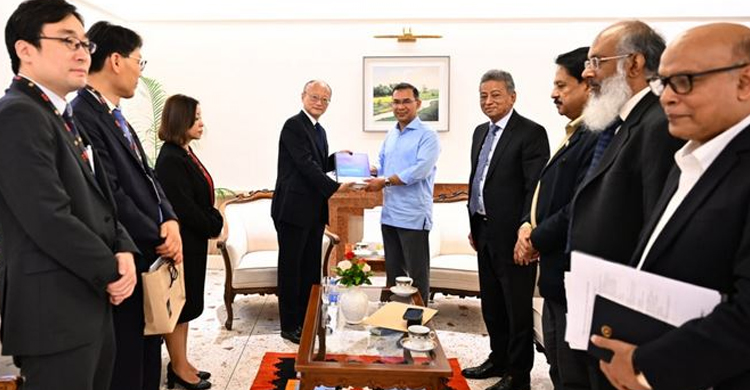
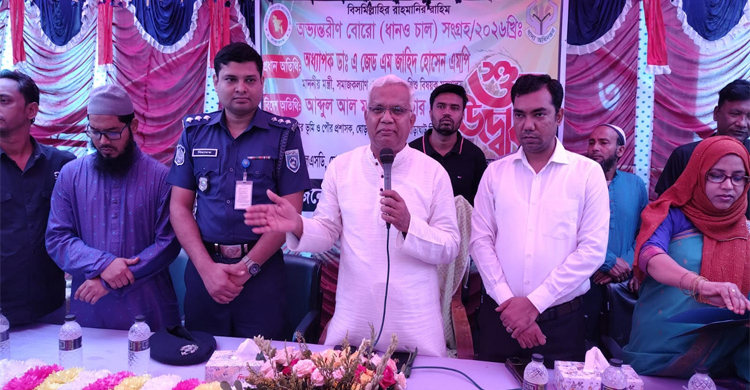
Fisheries, Livestock and Agriculture Minister Mohammed Amin Ur Rashid said on Sunday the number of cattle, goats and buffaloes produced by domestic farmers and ranchers is more than sufficient to meet national demand.
Addressing concerns over missing or stolen livestock, the minister said administration officials, law enforcement agencies and volunteer teams are working round the clock at major cattle markets.
Saying that buying and selling in Bangladesh still largely depends on bargaining based on an animal`s build, health, size and physical appearance, he said it will be very difficult to create an artificial syndicate as animal prices are determined solely by market competition and the dynamics of supply and demand.
Bangladesh’s digital cattle market is expanding steadily adding a new dimension to the country’s traditional livestock trade as online platforms increasingly connect farmers and urban buyers.
While traditional cattle haats still handle the majority of sales, digital platforms are gradually increasing their presence in seasonal trading.
In Dhaka and other major cities, cattle markets continue to operate alongside a growing number of online selling channels, including farm-based websites, Facebook pages, and government-supported digital haats. Industry observers say online livestock marketing has seen annual growth in double digits in recent years, driven by increased smartphone use, mobile financial services, and urban consumer demand.
The digital cattle system allows buyers to browse photos and videos, compare prices, and in some cases arrange home delivery and mobile payment through services such as bKash and Nagad. This has helped improve convenience and reduce dependence on physical market visits, especially for city residents with limited time.
Despite its rapid growth, experts note that digital cattle trading still represents a *small portion of total Eid livestock sales, with physical markets continuing to dominate due to trust, inspection needs, and logistical constraints.