In times of global political instability, even a small window of peace becomes a major source of hope. The talks held at Lake Lausanne aimed at easing tensions between the United States and Iran represent such a significant development. After years of mistrust, sanctions, conflict, and military tensions, any meaningful progress at the diplomatic table would not remain limited to the two countries; rather, it would have a profound impact on the entire Middle East and the global security architecture.
Iran’s Foreign Minister Seyed Abbas Araghchi, appreciating the mediation efforts of Qatar and Pakistan, has delivered an optimistic message that is being viewed as a positive signal in international diplomacy. The joint statement by Qatar and Pakistan stated that the Lausanne conference was held in a positive and constructive environment, and a roadmap has been prepared with the aim of reaching a final agreement within the next 60 days.
This progress shows that even after prolonged conflict, solutions remain possible as long as the path of dialogue remains open.
From the Shadow of War to the Table of Dialogue
Relations between the United States and Iran represent one of the most complex chapters in modern international politics. For decades, tensions have persisted due to political disputes, security concerns, economic sanctions, and competition for regional influence.
The impact of this rivalry is not limited to Washington and Tehran. It also affects various conflicts in the Middle East, energy supply chains, international trade, and global economic stability.
In particular, tensions surrounding the Strait of Hormuz remain a major concern for the world. This maritime route carries a significant portion of global energy shipments. Any instability there quickly spreads into international markets.
The Role of Pakistan and Qatar: A New Model of Mediation
The roles of Pakistan and Qatar in this process are especially significant. In disputes between major powers, regional countries can often serve as effective bridges for dialogue.
For Pakistan, this represents an important diplomatic opportunity. By maintaining relations with the United States, Iran, and the Gulf region simultaneously, it seeks to position itself as a bridge for communication and peace.
Qatar, on the other hand, has in recent years played an active role as a mediator in various international crises. Despite being a small state, it has demonstrated how diplomatic capability can translate into meaningful global influence.
Sanctions, Assets, and Trade Issues
The sanctions imposed on Iran have placed long-term pressure on its economy. Restrictions on energy exports, international trade, and financial transactions have created major obstacles.
If negotiations lead to easing sanctions and normalizing economic relations, it would be positive not only for Iran but also for the regional economy.
However, alongside economic concessions, security and political issues must also be addressed. A sustainable agreement cannot rely solely on economic benefits; it requires mutual trust.
Security of the Strait of Hormuz: A Global Concern
The initiative to ensure safe maritime navigation through the Strait of Hormuz is highly significant. Any tension in this region creates uncertainty in global markets.
Rising energy prices, disruptions in supply chains, and pressure on international trade are all closely linked to stability in this region.
Therefore, peace in the Middle East is not only a regional necessity; it is also an essential part of global economic security.
Caution Alongside Hope
Despite growing optimism, it is important to remain realistic. The deep mistrust between the United States and Iran cannot be resolved overnight. In the past, negotiations have begun but collapsed due to various challenges.
For this initiative to succeed, the following are essential:
* Alignment between words and actions
* Continuous dialogue
* Mutual respect
* Political will to implement commitments
An agreement becomes meaningful only when it brings real change in practice, not just on paper.
Diplomacy Is the Strongest Path to Peace
In today’s world, military power alone cannot solve every crisis. Long-term peace requires dialogue, negotiation, and diplomatic engagement.
The Lausanne conference may not yet represent a final solution, but it has sent a strong message: even amid conflict, the path of dialogue can remain open.
The people of the Middle East have long experienced instability. What they now need is not another cycle of conflict, but real opportunities for peace and development.
The success of these talks will depend on the practical steps taken in the coming days. However, one thing is clear: there is no alternative to diplomacy in the pursuit of peace.
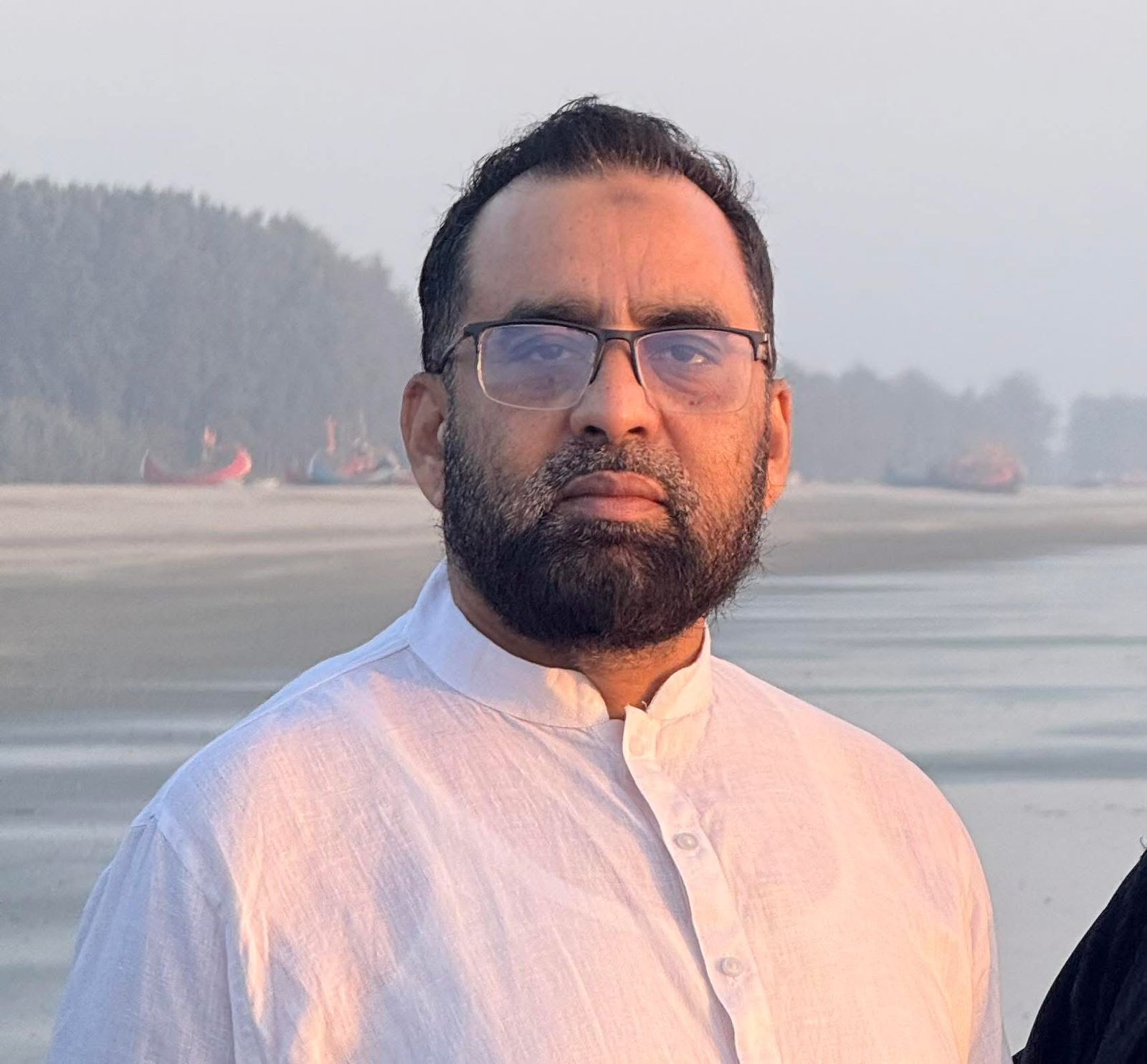
Md. Mukhlesur Rahman
International Political Analyst, Economist, and Human Rights Activist