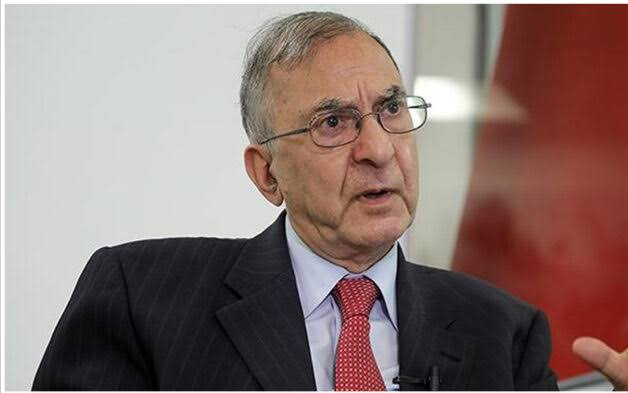
Md. Sahidul Islam (Sumon)
Over the past few years, Bangladesh’s macroeconomic stability has faced an unprecedented trial. At the center of this storm lies a sharp depletion of foreign exchange reserves, a persistent dollar shortage, and a steep devaluation of the Bangladesh Taka (BDT). While external headwinds—such as post-pandemic supply chain disruptions and geopolitical conflicts driving global energy and commodity prices—initially triggered the pressure, internal policy missteps and structural vulnerabilities transformed a manageable shock into a prolonged crisis. For an economy that relies heavily on imported essential commodities, industrial raw materials, and energy, the cascading effects of a volatile currency market have reshaped trade dynamics, fueled inflation, and strained the daily lives of millions.
The root causes of the dollar crunch stem from a combination of global monetary tightening and domestic management choices. As the U.S. Federal Reserve aggressively raised interest rates to combat global inflation, the U.S. dollar strengthened significantly across emerging markets. However, Bangladesh`s exposure was exacerbated by domestic policy choices, including an unsustainable import surge following the pandemic reopening—peaking near $89 billion in FY2021–22—driven by pent-up demand and over-invoicing in several trade categories. Furthermore, maintaining an artificially fixed exchange rate (around 85–86 BDT per USD) for years prevented smooth market adjustments. When market pressures eventually forced an unpeg, the currency underwent a sudden, sharp devaluation rather than a gradual correction. This was further compounded by trade-based money laundering and a widening spread between official exchange rates and the informal (hundi) market, which incentivized remittances to bypass formal banking channels.
The immediate response to reserve depletion was the imposition of margin requirements and import controls on non-essential items by Bangladesh Bank. While designed to curb dollar outflows, the foreign exchange shortage quickly spilled over into critical imports, including raw materials, capital machinery, and primary energy. Imports of new capital equipment dropped sharply, leading to a slowdown in industrial capacity expansion and private sector investment. Key export sectors, particularly Ready-Made Garments (RMG), depend heavily on imported cotton, yarn, chemicals, and accessories; as the cost of acquiring dollars rose, local manufacturing expenses climbed, diluting the competitive edge usually gained from currency devaluation. Simultaneously, payments for Liquefied Natural Gas (LNG), coal, and refined petroleum faced delays due to dollar liquidity constraints in commercial banks, causing gas and electricity shortages across major industrial belts that curtailed factory output and raised domestic production overheads.
Economic theory suggests that a weaker currency should boost export competitiveness and make formal remittance channels more attractive. In Bangladesh, however, the structure of trade has muted these potential gains. Because the export base remains narrowly focused on garments—a sector with high import content—a cheaper Taka provides only a marginal boost to net earnings once imported raw materials, transportation, and rising domestic energy tariffs are factored in. Meanwhile, non-RMG exports such as leather, pharmaceuticals, and agricultural products continue to face infrastructure bottlenecks and high input cost inflation. On the remittance front, despite official cash incentives provided by the government, a persistent disparity between formal banking exchange rates and informal market rates has kept a sizable portion of migrant workers` earnings outside the central bank`s official reserve framework, deepening the liquidity squeeze within commercial banks.
The human cost of this monetary volatility is reflected in sustained, elevated inflation across the domestic market. Because Bangladesh imports a substantial portion of its basic consumer goods—including wheat, edible oil, lentils, sugar, fertilizer, and active pharmaceutical ingredients—a devalued Taka translates directly into higher landed prices at the wholesale and retail levels. When the exchange rate moved from 85 to over 115–120 BDT per USD (and higher in open markets), landed costs for imported essentials rose by 35% to 50% purely due to currency depreciation, even when international commodity prices remained steady. This imported inflation has disproportionately affected low- and middle-income households, eroding real purchasing power, exhausting household savings, and forcing families to cut spending on healthcare, nutrition, and education.
Resolving Bangladesh’s foreign exchange challenges requires moving beyond short-term administrative liquidity management toward comprehensive structural reforms. First, transitioning fully to a transparent, market-aligned exchange rate framework—such as a properly calibrated crawling peg system—helps narrow the spread between banking channels and the open market, reducing the financial incentive for informal remittance leaks. Second, strengthening trade oversight and customs auditing is essential to curb trade-based mis-invoicing and capital flight, while maintaining liquidity support for critical industrial inputs and essential food commodities.
Additionally, modernizing banking services for overseas workers, lowering transfer friction, and offering targeted financial instruments can channel a larger share of remittances through official banking pipelines. To build long-term economic resilience, policy support and bonded warehouse facilities must be extended to high-potential non-RMG export sectors like leather goods, light engineering, IT services, and processed agriculture. Finally, prudent management of multilateral assistance from institutions like the IMF, World Bank, and ADB, combined with institutional governance and financial sector discipline, will be critical to stabilizing the currency, containing imported inflation, and restoring sustainable economic growth.
Md. Sahidul Islam (Sumon) is an economic analyst, columnist, and CHT Affairs Researcher. Email: [msislam.sumon@gmail.com]