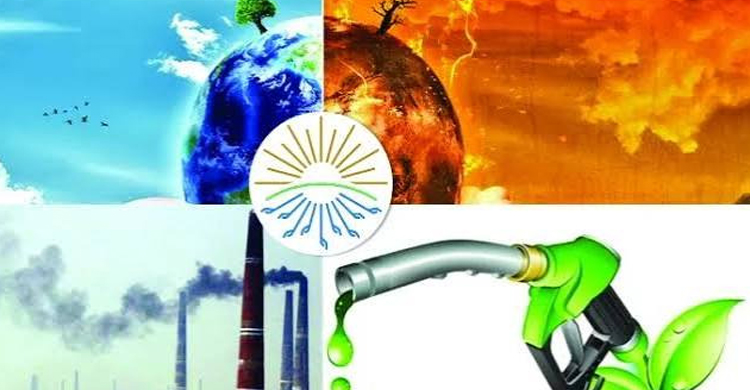
| The Proxy States in the Middle East, the War of Geopolitics and the New Hope |
| ............................................................................................. |
| Treating someone as a criminal before conviction is a grave injustice |
| ............................................................................................. |
| Beyond ribbon-cutting, Bangladesh’s real infrastructure test is maintenance |
| ............................................................................................. |
| Relevant technological knowledge may become a greater asset than certificates |
| ............................................................................................. |
| Climate is an engineering constraint: what Bangladesh must learn before building data centres |
| ............................................................................................. |
| The Nature of Awami Fascists |
| ............................................................................................. |
| The Legacy of a Mountain of Debt: A Record in Repayment, a Test in Reducing Liabilities |
| ............................................................................................. |
| Strong Local Government: The Pillar and Driving Force of Development |
| ............................................................................................. |
| Climate Change: The Silent Threat to Bangladesh’s Economy |
| ............................................................................................. |
| A New Dawn for Bangladesh’s Energy Security |
| ............................................................................................. |
| One Crore Jobs: Bangladesh’s Demographic Dividend Is Running Out of Time |
| ............................................................................................. |
| A Glorious Chronicle: 65 Years of Government Laboratory High School |
| ............................................................................................. |
| BNP’s Four Decades in Theoretical Light: History, Achievements, and the Dawn of a New Era |
| ............................................................................................. |
| Nepal’s Vulnerability: The Anguish of a Bangladeshi Vice-Chancellor in Somalia |
| ............................................................................................. |
| The Golden Fiber at a Crossroads: Temporary Export Gains or Sustainable Economic Transformation? |
| ............................................................................................. |
| Two Generations, one Baul Soul: A Father and Son`s journey through Music |
| ............................................................................................. |
| Rebuilding the Economy: What the Government’s First 180 Days Really Mean |
| ............................................................................................. |
| The Presidential Election and Article 70 of the Constitution: An Unbiased Theoretical Analysis |
| ............................................................................................. |
| The Silent Thief |
| ............................................................................................. |
| Children`s right to Childhood |
| ............................................................................................. |
| Can Ending the Unregulated Sale of Tobacco on Watercraft Ensure Tobacco-Free Water Transport? |
| ............................................................................................. |
| Begom Khaleda Zia, the Beacon of Democracy: A Birthday Tribute |
| ............................................................................................. |
| Shifting Politics and the Equations of Power |
| ............................................................................................. |
| A Handful of Dreams, A Generation of Struggles: A Half-Century Journey of the Bangladeshi Community in Australia |
| ............................................................................................. |
| Convicted Fugitive on a Political Stage: Delhi’s Mindset and Dhaka’s Indignation |
| ............................................................................................. |
| Beyond Borrowing: Why Bangladesh Must Build Its Economy on Domestic Revenue |
| ............................................................................................. |
| The Political Economy of Banking: Cronyism, Capture, and the Cost of Reform |
| ............................................................................................. |
| Seven Years After Article 370: Modi`s Kashmir Gamble Came at the Cost of Democracy |
| ............................................................................................. |
| The Architecture of Ownership: Why Protecting Intellectual Property is Bangladesh’s Next Great Frontier |
| ............................................................................................. |
| The Strait of Hormuz Crisis: The Limits of Military Power, the Imperative of Diplomacy, and the Emerging Global Order |
| ............................................................................................. |
| Jammu & Kashmir and Abrogation of 370, 35A |
| ............................................................................................. |
| Anwar Ibrahim’s diplomatic initiative: A new window of opportunity for resolving Rohingya Crisis |
| ............................................................................................. |
| The historic role of Private University Students in the July Revolution |
| ............................................................................................. |
| July Warriors: The spirit of revolution and road to a new Bangladesh |
| ............................................................................................. |
| The Global Energy Landscape Is Transforming Through the Expansion of Clean Energy |
| ............................................................................................. |
| “Independent Balochistan”: a Facebook fantasy made in India |
| ............................................................................................. |
| Navigating the Forex Crisis: Devaluation, Import Pressures, and Bangladesh’s Path to Structural Recovery |
| ............................................................................................. |
| Irregular Weather Patterns Increase Uncertainty in Rice Production |
| ............................................................................................. |
| Flash Floods Intensify the Crisis of Climate-Displaced Communities |
| ............................................................................................. |
| Bangladesh ICT: Rich talent, weak institutional mechanism |
| ............................................................................................. |
| Kashmir’s July 13: Memory, Justice, and the Search for Peace |
| ............................................................................................. |
| FIFA`s Stained Legacy: How Will It Erase the Shame of 2026? |
| ............................................................................................. |
| Impossible Peace with the US and the only Option for Iran |
| ............................................................................................. |
| Political Activism and Muslims’ Failures |
| ............................................................................................. |
| Money Laundering in Islamic Banks: Is It Time to Rethink the Role of Shariah Boards? |
| ............................................................................................. |
| Standing Beside People Affected by Natural Disasters Is Our Collective Moral Responsibility |
| ............................................................................................. |
| Political Activism and the Failures of the Muslims |
| ............................................................................................. |
| Delayed Settlement of Import Payments Could Damage Bangladesh’s Reputation in the Global Market |
| ............................................................................................. |
| Bangladesh’s Economic Growth is Promising: Proactive Preparedness is Essential to Manage Future Risks |
| ............................................................................................. |
| Arabic Language Practice in Bangladesh: A Gateway to New Global Opportunities |
| ............................................................................................. |