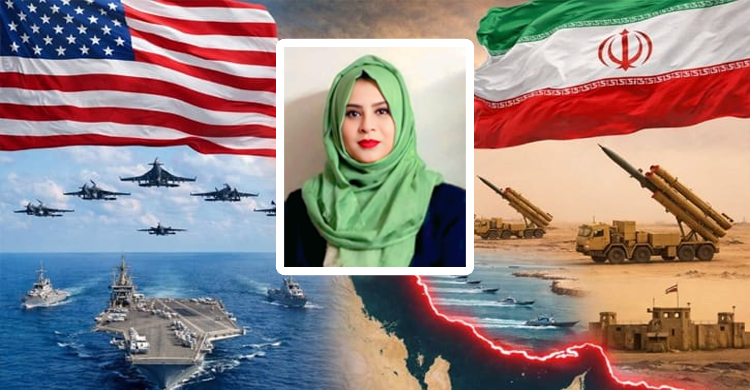
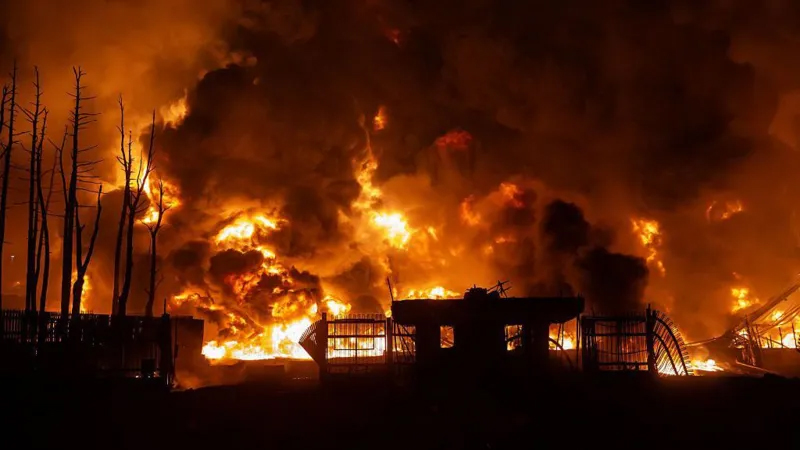
Zubeyea Binte Kabir : In the current landscape of global political instability, the escalating tensions between Iran, the United States, and Israel are spreading like an invisible storm across the Middle East. This conflict is far more than a regional crisis; it is sending ripples through global economies, energy security frameworks, and social stability. For countries like Bangladesh, heavily reliant on imported fuel, this growing uncertainty serves as a stark warning—a test not only of foresight but also of tangible national security, economic resilience, and governance capacity.
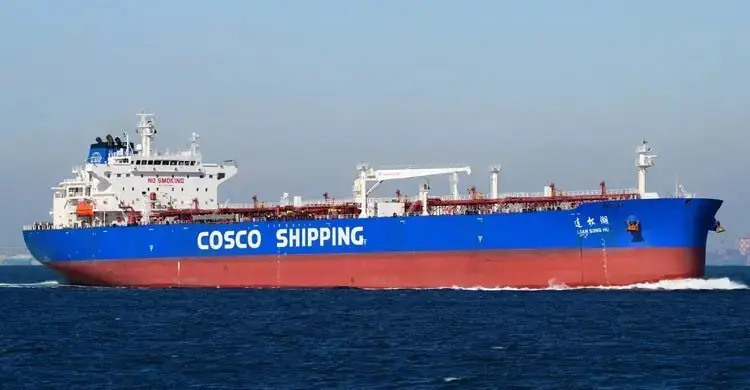
Bangladesh’s economic heartbeat its industrial, agricultural, transport, and power sectors depends daily on the steady supply of oil and gas. Even minor disruptions along strategic chokepoints such as the Strait of Hormuz can destabilize domestic energy markets, interrupt electricity generation, and unsettle industrial . The consequences extend beyond rising operations fuel prices; they directly affect daily life, industrial productivity, and the foundations of national financial capacity. This unfolding scenario underscores a simple truth: achieving strength and stability requires preparedness, foresight, and vigilant leadership.
Energy Prices and Domestic Market Volatility :
Energy remains the lifeblood of Bangladesh’s economy. Electricity generation, industrial production, agriculture, and transportation virtually every sector is directly linked to fuel supply. Any disruption in strategic routes, such as the Strait of Hormuz, can trigger a sudden surge in international oil and LNG prices, which immediately reverberates through domestic markets.
Rising Inflation: An increase in fuel prices drives up costs across electricity, transport, agriculture, and industry. Consequently, the prices of essential commodities soar, reducing the purchasing power of ordinary citizens and heightening the risk of social unrest.
Fuel Shortages: Bangladesh’s domestic fuel storage is limited, and local production is negligible. Even temporary imports from neighboring countries such as India may become uncertain during regional conflicts. The result is electricity and gas shortages, industrial slowdowns, and disruptions in financial flows.
Social Repercussions: Sudden fuel price hikes and shortages directly affect the daily lives of citizens. Long queues at petrol stations, panic buying, and scarcity of food and essential commodities exacerbate public stress and dissatisfaction. Addressing such short-term crises requires urgent government intervention—not just through stockpiling or price controls, but by ensuring transparency, public awareness, and disciplined market management. A coherent and resilient strategy is essential to safeguard both energy security and social stability.
Medium-Term Impacts: Industrial, Export, and Foreign Economic Pressures : In the medium term, the Iran–US–Israel conflict significantly affects Bangladesh’s manufacturing and export sectors. Rising fuel prices, coupled with increasing international shipping costs, elevate production costs for the garment, textile, ceramic, cement, steel, and chemical industries.
Challenges for Export-Oriented Industries: Disruptions in supply chains and higher costs reduce Bangladesh’s competitiveness in global markets. Price hikes abroad may push buyers to seek alternatives elsewhere, reducing export revenues and imposing long-term competitive pressures on industries.
Foreign Exchange Strain: Increased import costs for fuel and other commodities heighten demand for foreign currency. This reduces reserves, destabilizes the exchange rate, and pressures the broader economy.
Remittance Vulnerabilities: Bangladeshi migrant workers, primarily in the Middle East and other regions, may experience income reductions due to conflict or instability, potentially decreasing remittance flows. This, in turn, weakens rural economies, domestic demand, and local market activity.
This scenario demonstrates that the conflict’s repercussions extend beyond fuel imports, directly affecting foreign trade, labor markets, and remittance flows. Bangladesh must therefore strategically prepare its economy, production sectors, and trade networks to withstand such external shocks.
Long-Term Implications: National Capacity and Sustainable Development : Over the long term, such conflicts threaten Bangladesh’s national capacity, energy security, and sustainable development. Domestic energy production is limited, making the country heavily dependent on imports. International crises can thus jeopardize economic stability and social cohesion.
Energy Security: Diversifying energy sources is critical. Expanding renewable energy & such as solar and wind and adopting energy-efficient technologies in industry can reduce import dependence.
Economic Resilience: Strategic management of foreign reserves, robust social protection mechanisms, and readiness to manage market volatility are essential for long-term stability.
Good Governance and Energy Justice: Preventing corruption, curbing illegal imports, and prioritizing citizens’ welfare in energy management are crucial. Long-term crises should be viewed not only as challenges but as opportunities to strengthen national capacity. Effective governance, transparent policy, and enhanced energy management can propel Bangladesh toward sustainable development.
Policy Recommendations: Realistic Planning and Strategic Measures To navigate this conflict-induced crisis, Bangladesh requires pragmatic policies and organized strategies:
Diversifying Energy Sources: Reducing sole reliance on the Strait of Hormuz by establishing alternative pipelines and supply channels from India, Oman, Qatar, and other partners. This will shield the country from global energy volatility.
Enhancing Fuel Storage Capacity: Policies to ensure minimum reserves of 15–20 days for diesel, octane, and LNG are essential to mitigate supply disruptions.
Increasing Energy Efficiency in Power and Industry: Promoting renewable energy, adopting energy-efficient technologies, and incentivizing investments will safeguard industrial production and sustainable development.
Securing Remittance and Labor Markets: Protecting remittance channels and ensuring migrant workers’ income and safety are vital for domestic economic stability.
Strengthening Macro-Economic and Social Protection: Controlling inflation, combating corruption, and improving social protection frameworks are critical to reduce the impact of external shocks on citizens.
Transparency and Public Communication: Providing accurate information, maintaining market transparency, and preventing artificial shortages are crucial for swift and effective crisis management. These measures are not short-term fixes; they represent a comprehens…